
Bennu by Flux ForwardChapter One · Episode 18
Beyond Technical Skills
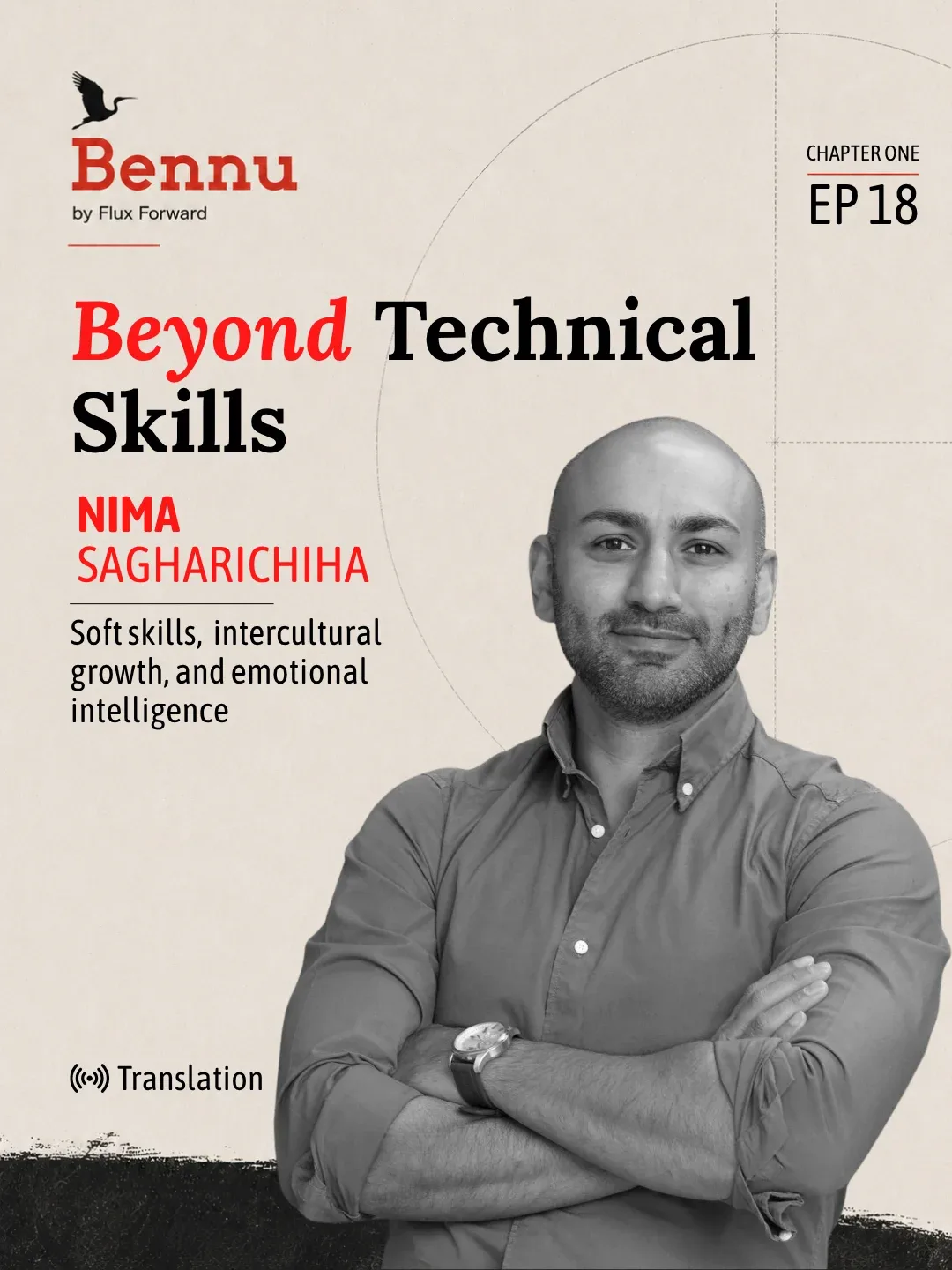
Nima Sagharichiha on soft skills, intercultural communication, and leading with emotional intelligence.
Where this connects
What this episode helps you notice.
Main thing to notice
Translation
How your experience becomes understandable to other people.
Related skill
Visibility
How your value becomes easier for others to recognize.
What to do with this
Notice where this story points to a next step in your own context.
Browse related stories
Conversation frame
Beyond Technical Skills
Why this conversation still matters
Nima Sagharichiha shares how he moved from engineering and process improvement into coaching, training, and leadership development.
This Bennu by Flux Forward conversation explores why international professionals often need more than technical expertise: they need communication, cultural awareness, emotional intelligence, storytelling, feedback, and the confidence to become visible in a new work context.
Many international students and professionals arrive with strong technical skills, motivation, and experience. But in Dutch and multicultural workplaces, success often depends on how people communicate, collaborate, ask questions, share their perspective, and understand the culture around them.
The main pattern in this episode is that soft skills make expertise visible. The shift is not from technical skills to soft skills. It is from isolated expertise to visible contribution.
Guest
Nima Sagharichiha
A Bennu conversation about the human story behind a Flux Forward signal.
Open LinkedIn profileListen for
Notice where this story points to a next step in your own context.
- Translation
- Visibility
Key signals
What the episode reveals.
Main pattern
Your experience becomes easier to use when you can name what it shows.
Bennu holds the story. Flux Forward helps turn it into a clearer next step.
Main thing to notice
Translation
How your experience becomes understandable to other people.
Related skill or context
Visibility
How your value becomes easier for others to recognize.
Context
Context matters
Nima Sagharichiha on soft skills, intercultural communication, and leading with emotional intelligence.
What to try next
Start smaller
Look for one conversation, one clearer explanation, or one better example that would make the next step easier to act on.
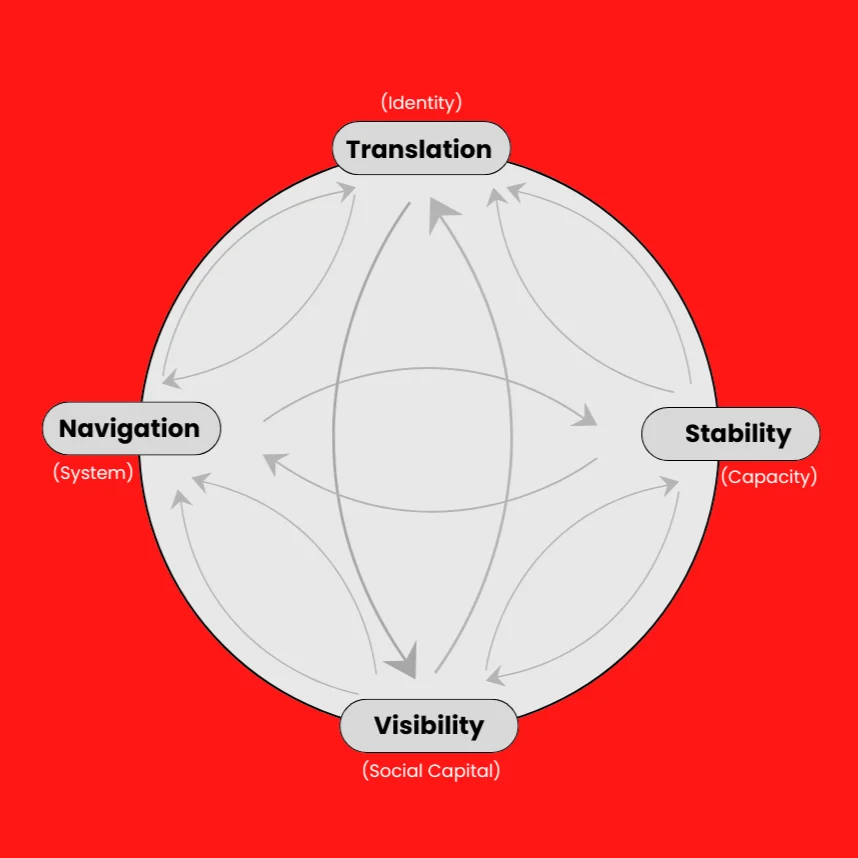
Activation mapping
How this story maps into activation.
Main signal
Translation
- Primary
- Translation
- Secondary
- Visibility
- Navigation
- Supporting
- Stability
Everyday meaning
What this means in everyday life
This episode is about the skills that make technical ability easier to use with people. Nima highlights communication, emotional intelligence, and intercultural awareness.
Communicate the work
Technical expertise becomes more useful when people can explain it clearly to different audiences.
Read the room
Emotional intelligence helps people notice tension, trust, expectations, and what a conversation needs next.
Bridge cultures
International professionals often need to translate not only language, but norms and working styles.
Lead with awareness
Leadership grows when people understand their own reactions and how those reactions affect others.
Everyday question
Can technical skill travel further when human skill travels with it?
Editorial Report
What this conversation reveals.
This conversation is about the soft skills that make technical skill visible, useful, and human. Nima Sagharichiha’s journey from engineering into coaching is not a rejection of technical expertise. It is a story about discovering that process improvement, leadership, and intercultural growth all depend on people: how they communicate, build trust, give feedback, and understand one another.
What stands out
The first thing that stands out is Nima’s career transition. He moved from engineering and process improvement into coaching because he realized that much of the work he cared about was already about people. Lean, in his telling, was not only about tools and processes. It was about coaching, facilitation, and helping teams change together.
The second thing that stands out is his value-first view of entrepreneurship. Nima does not frame business as selling first. He frames it as listening, understanding the challenge, sharing experience, and creating value. Business follows when the value is real.
The third thing that stands out is his insight about visibility in Dutch workplaces. Many international professionals work hard and carry responsibility, but they may expect recognition to come automatically. Nima explains that collaboration, involvement, sharing ideas, and asking for feedback often matter just as much as individual effort.
The fourth thing that stands out is the role of language and culture. Nima’s advice to international students is direct: technical skills are already in the suitcase. The next growth edge is often cultural understanding, Dutch language learning, communication, and connection beyond the familiar circle.
Why it matters
Many international students and professionals are strong on paper but still struggle to translate that strength into trust, visibility, and opportunity. This episode shows that soft skills are not a bonus layer on top of technical skill. They are the bridge that lets technical skill travel across cultures, teams, and leadership contexts.
Activation lens
This is a Translation episode. It shows how expertise becomes more useful when it is translated through communication, storytelling, cultural awareness, and emotional intelligence. Visibility matters because value needs to be seen. Navigation matters because intercultural work requires asking questions and finding routes through difference. Stability matters because emotional intelligence helps people lead with steadiness and empathy.
A question to carry
What part of your value is still hidden because you have not yet translated it into a language your team can see?
Next steps
Where to go next
Start with one small step from here. Check your situation, clarify your profile, explore the wider context, or keep following the stories.