
Bennu by Flux ForwardChapter One · Episode 08
Speak With Impact
How clear goals, storytelling, practice, and audience attention make presentations stronger

Where this connects
What this episode helps you notice.
Main thing to notice
Visibility
How your value becomes easier for others to recognize.
Related skill
Translation
How your experience becomes understandable to other people.
What to do with this
Notice where this story points to a next step in your own context.
Browse related stories
Conversation frame
Speak With Impact
Why this conversation still matters
In this Chapter One Bennu conversation, Ben speaks with Mark Robinson about public speaking, storytelling, confidence, and how people can make their ideas easier to remember. The conversation moves from Mark’s own journey as a nervous speaker into the practical skills that help presentations become clearer, more engaging, and more useful for an audience.
Mark shares why every presentation needs a clear goal, how storytelling helps people pay attention, and why positive feedback can help speakers build confidence faster. He also offers practical tips for online and hybrid presentations, including standing up, using energy well, and creating interaction with the audience.
Read through the Flux Forward Activation lens, this is a Visibility episode: ideas become easier to recognize when people can express them clearly, hold attention, and guide the audience toward a next step.
Guest
Mark Robinson
A Bennu conversation about the human story behind a Flux Forward signal.
Open LinkedIn profileListen for
Notice where this story points to a next step in your own context.
- Visibility
- Translation
Key signals
What the episode reveals.
Main pattern
Your experience becomes easier to use when you can name what it shows.
Bennu holds the story. Flux Forward helps turn it into a clearer next step.
Main thing to notice
Visibility
How your value becomes easier for others to recognize.
Related skill or context
Translation
How your experience becomes understandable to other people.
Context
Context matters
How clear goals, storytelling, practice, and audience attention make presentations stronger
What to try next
Start smaller
Look for one conversation, one clearer explanation, or one better example that would make the next step easier to act on.
Activation mapping
How this story maps into activation.
Main signal
Visibility
- Primary
- Visibility
- Secondary
- Translation
- Stability
- Supporting
- Navigation
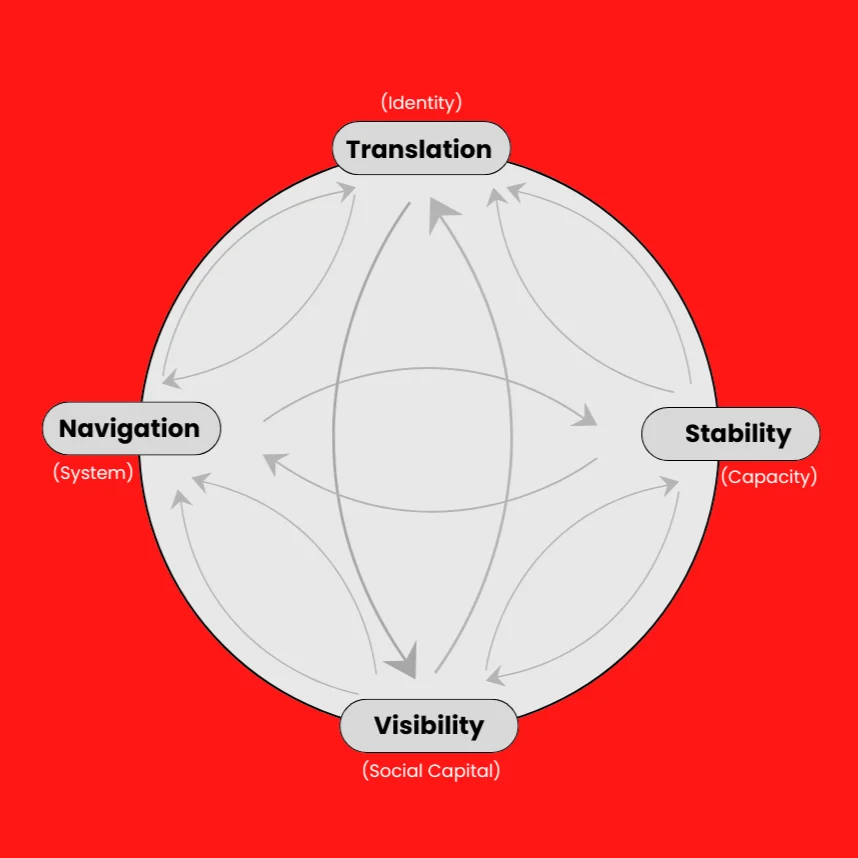
Everyday meaning
What this means in everyday life
This episode is about making ideas easier for other people to hear, remember, and use. Mark shows that strong speaking comes from clear purpose, practice, and care for the audience.
Know the point
A presentation becomes stronger when the speaker knows what the audience should remember or do next.
Tell useful stories
Stories help people follow an idea when they are simple, relevant, and connected to the message.
Practice out loud
Confidence grows through rehearsal, feedback, and learning how the words feel when spoken.
Help the listener
Speaking with impact starts by asking what the listener needs, not only what the speaker wants to say.
Everyday question
Can your message become easier to remember by becoming clearer first?
Editorial Report
What this conversation reveals.
This conversation is about making your message easier for others to receive. Mark Robinson approaches public speaking as a learnable skill, not a talent that some people simply have and others do not. The episode is practical, but underneath the tips is a deeper point: communication changes what becomes visible. A good presentation does not just share information. It helps people understand what matters and what to do next.
What stands out
A clear goal changes the whole presentation
Mark’s strongest advice is to start with the goal. Most people begin with what they want to say, but an effective presentation starts with what the audience needs and what action should happen next. Once the goal is clear, it becomes easier to choose what belongs in the talk and what can be left out.
Storytelling keeps attention alive
The conversation returns to storytelling as a way to make ideas memorable. A story does not need to be long or dramatic. It needs to be relevant. For technical professionals especially, storytelling can create a bridge between details and meaning, helping the audience remember the point instead of getting lost in information.
Positive feedback builds confidence
Mark’s approach to presentation training uses positive feedback because fear is often the biggest barrier. “When a speaker expects criticism, they become more focused on themselves and their weaknesses rather than on their audience and how their audience will benefit from the presentation. When they hear what worked, they become more willing to try again. Confidence grows through practice, but also through environments that make practice feel safe.
Technical detail needs editing
For technical speakers, one of the biggest challenges is deciding what not to include. Mark names the need to remove the details that may be interesting to the speaker but do not help the audience reach the goal. This is not about oversimplification. It is about respecting the limits of attention.
Online speaking needs energy and interaction
The episode also gives practical advice for remote and hybrid communication. Standing up can change the energy of a presentation. Asking questions, using chat, and creating interaction can help people stay present. In a world of short attention spans, the speaker has to earn attention.
Why it matters
Many international students and early-career professionals have ideas, experience, and ambition, but struggle to communicate them with confidence. This episode shows that presentation skills are not just for stages or formal talks. They matter in interviews, meetings, pitches, classrooms, online events, and leadership moments.
Activation lens
This is a Visibility episode. It shows how people become easier to recognize when they can communicate their message clearly, shape attention, and help others understand why the message matters.
A question to carry
What is one message you need to make clearer, and what do you want your audience to do after they hear it?
Next steps
Where to go next
Start with one small step from here. Check your situation, clarify your profile, explore the wider context, or keep following the stories.